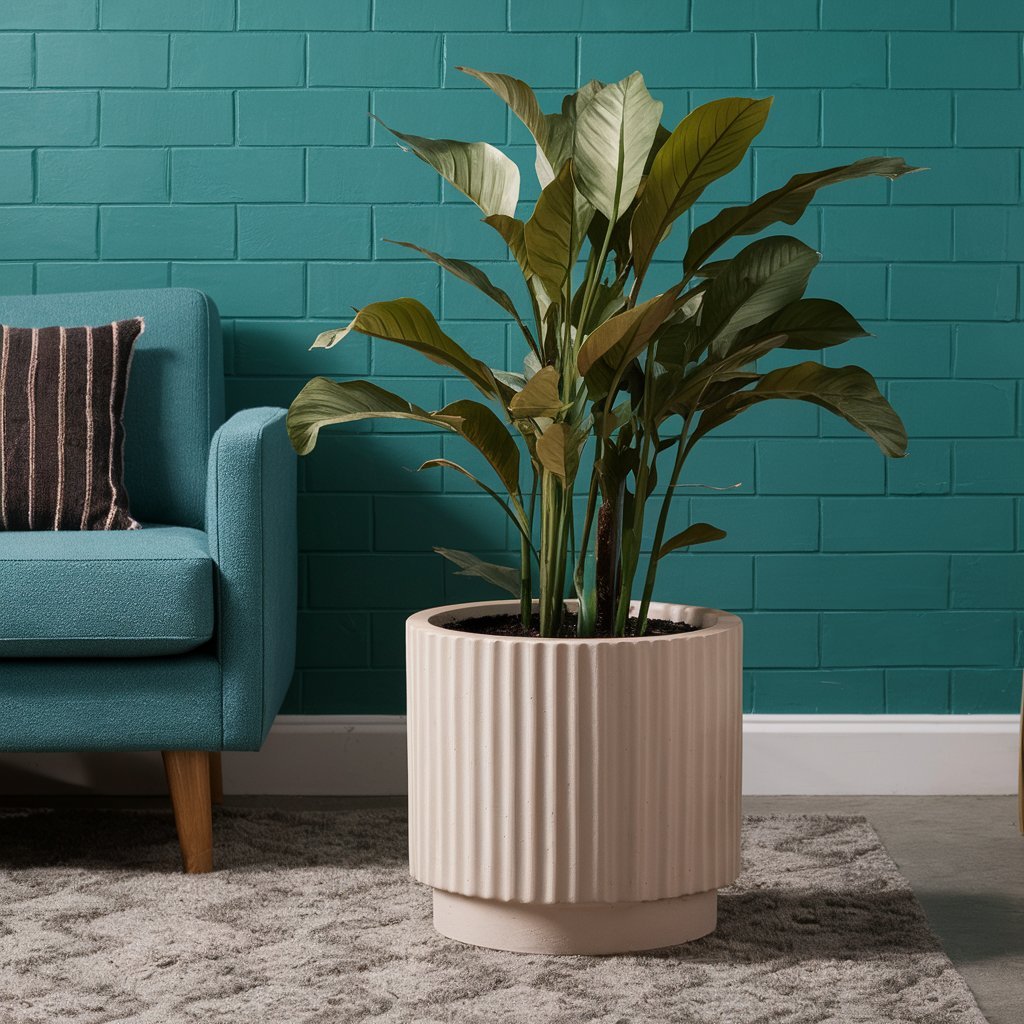
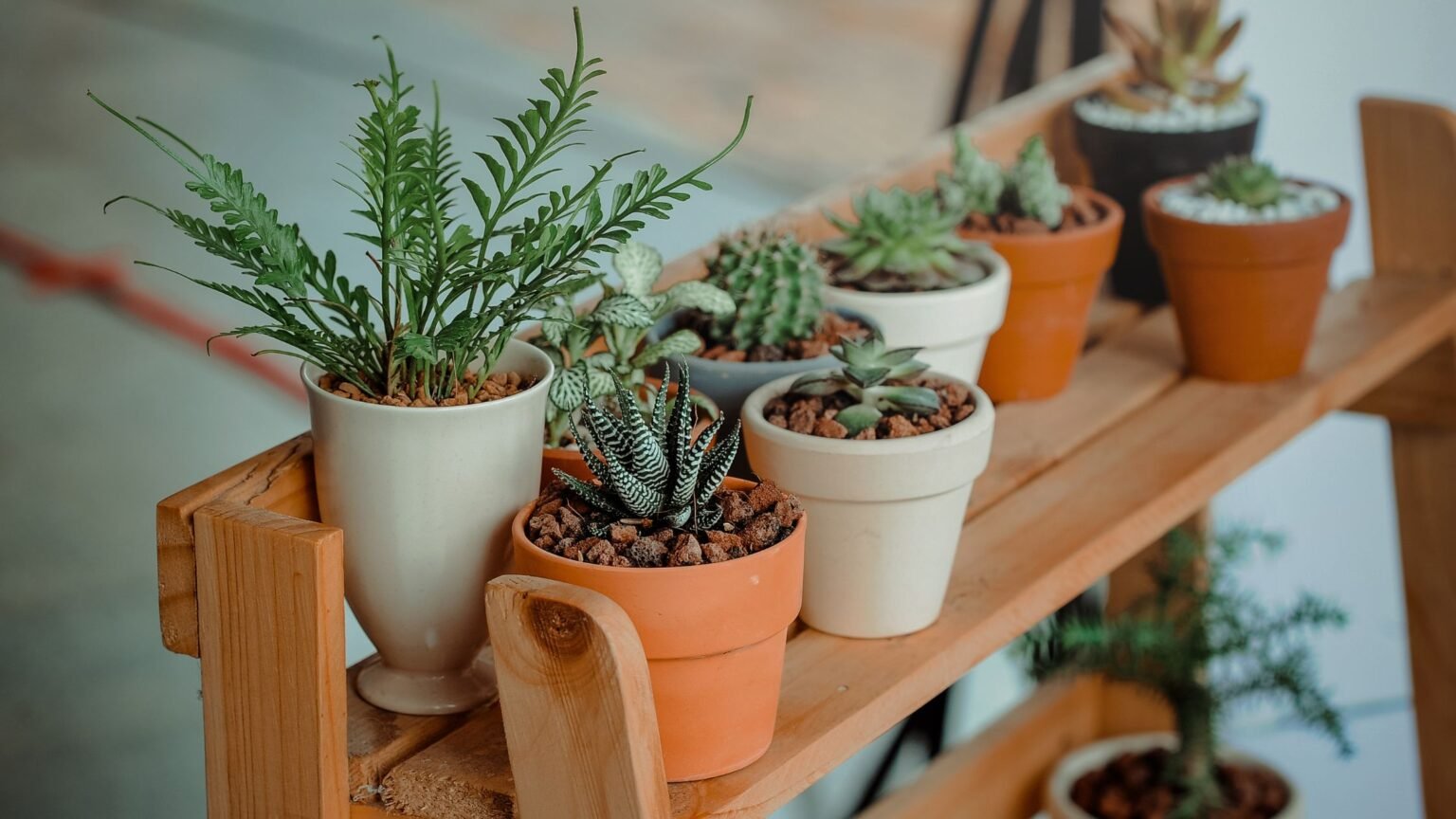
Introduction: In recent years, indoor plants have surged in popularity, bringing a touch of nature into our homes and workplaces. However, keeping indoor plants thriving requires more than just occasional watering. In this guide, we’ll explore essential indoor plant care tips to help you nurture your green companions like a seasoned pro.
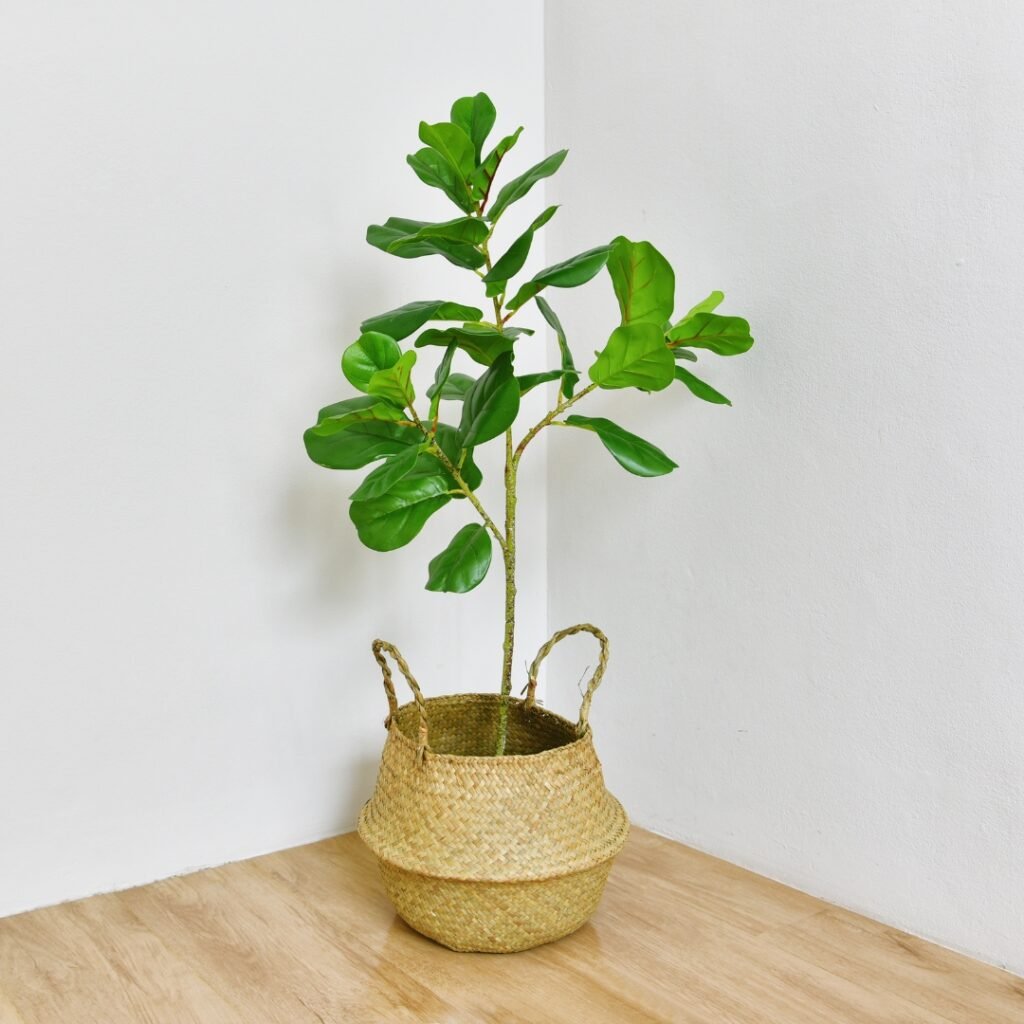
1. Choosing the Right Plants: Not all indoor plants are created equal. Before bringing home a new plant, consider factors such as lighting conditions, space availability, and your own schedule for maintenance. Opt for plants that suit your lifestyle and the environment they’ll be placed in.
2. Optimal Lighting Conditions: Light is the lifeblood of plants, and understanding their lighting needs is crucial for their well-being. While some plants thrive in bright, indirect light, others prefer low-light conditions. Place your plants accordingly, near windows or under grow lights, to ensure they receive the right amount of light for healthy growth.
3. Watering Wisdom: Overwatering is a common mistake that can spell doom for indoor plants. Before reaching for the watering can, check the soil moisture level by sticking your finger into the soil. Water only when the top inch of soil feels dry to the touch, and be sure to use room-temperature water to avoid shocking your plants.
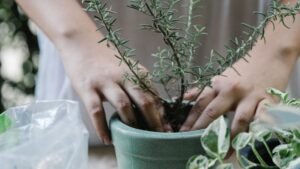
4. Soil and Potting: The soil your plants are potted in plays a crucial role in their health and growth. Choose a well-draining potting mix specifically formulated for indoor plants, and repot your plants as they outgrow their containers. Proper drainage is essential to prevent waterlogged soil, which can lead to root rot and other problems.
5. Humidity and Temperature Control: Creating a conducive environment for your indoor plants involves more than just light and water. Many indoor plants thrive in humid conditions, especially tropical varieties. Increase humidity levels by misting your plants regularly or placing a tray of water near them. Additionally, be mindful of temperature fluctuations, avoiding drafts and extremes of heat or cold.
6. Pruning and Maintenance: Regular maintenance is key to keeping your indoor jungle looking its best. Prune dead or yellowing leaves to promote new growth and prevent disease spread. Inspect your plants regularly for signs of pests or disease, and take prompt action to address any issues that arise.
7. Troubleshooting Common Issues: Even with the best care, indoor plants can encounter problems from time to time. Keep an eye out for common issues such as pests, fungal infections, or nutrient deficiencies. Research specific symptoms and treatments to address problems promptly and effectively.
Conclusion: By following these essential indoor plant care tips, you’ll be well-equipped to create a thriving green oasis in your home. With a little love and attention, your indoor plants will reward you with their beauty and vitality, bringing joy and serenity to your indoor spaces. Embrace the journey of plant parenthood, and watch as your green thumb flourishes along with your leafy companions.
1. Hibiscus (Hibiscus rosa-sinensis): Known for its striking, showy flowers, the Hibiscus is a quintessential outdoor plant in India. With its ability to withstand heat and humidity, it flourishes in tropical and subtropical regions. Hibiscus comes in a variety of colors, including red, pink, yellow, and white, making it a popular choice for gardeners seeking vibrant blooms.
2. Bougainvillea (Bougainvillea spp.): No Indian landscape is complete without the vibrant hues of Bougainvillea cascading over walls and fences. This hardy, drought-tolerant plant thrives in hot, dry conditions, making it ideal for the arid regions of India. Bougainvillea’s bracts come in a range of colors, including magenta, purple, orange, and white, providing year-round color to gardens.
3. Jasmine (Jasminum spp.): Renowned for its intoxicating fragrance and delicate white blooms, Jasmine is a beloved outdoor plant in India. It prefers warm, humid climates and thrives in sunny locations. Jasmine is often used to adorn trellises, fences, and balconies, filling the air with its sweet scent, especially in the evenings.
4. Indian Borage (Plectranthus amboinicus): Indian Borage, also known as ‘Ajwain Patta’ or ‘Country Borage,’ is a versatile herb commonly found in Indian gardens. Its succulent leaves have a strong, aromatic flavor and are used in traditional cooking and herbal remedies. Indian Borage thrives in partial shade and is relatively low-maintenance, making it a must-have for culinary enthusiasts.
5. Neem (Azadirachta indica): The Neem tree holds a revered place in Indian culture for its medicinal properties and ecological significance. Its bitter-tasting leaves and seeds are used in Ayurvedic medicine for their antibacterial, antifungal, and insecticidal properties. Neem trees thrive in hot, arid climates and are valued for their shade, drought tolerance, and pest-repellent qualities.
6. Frangipani (Plumeria spp.): With its waxy, fragrant flowers and glossy green foliage, Frangipani adds a touch of tropical elegance to Indian gardens. This deciduous tree thrives in warm, humid climates and produces clusters of flowers in shades of white, pink, yellow, and red. Frangipani is often planted near temples and religious sites for its auspicious symbolism.
7. Marigold (Tagetes spp.): Marigolds are a staple in Indian gardens, prized for their vibrant blooms and pest-repellent properties. These hardy annuals thrive in full sun and well-drained soil, making them perfect for India’s warm, sunny climate. Marigolds are commonly used in religious ceremonies, festivals, and as decorative borders in gardens.
Conclusion: From the lush greenery of the tropics to the arid landscapes of the desert, India’s outdoor plants reflect the country’s rich cultural and ecological diversity. Whether you’re a seasoned gardener or a novice enthusiast, there’s a wealth of options to explore and enjoy. By selecting the right plants for your region’s climate and conditions, you can create a beautiful outdoor oasis that reflects the natural splendor of India.ny, there are endless possibilities for creating stunning container gardens that reflect your style and personality. With a little creativity and care, you can elevate any space with the beauty and bounty of plants.